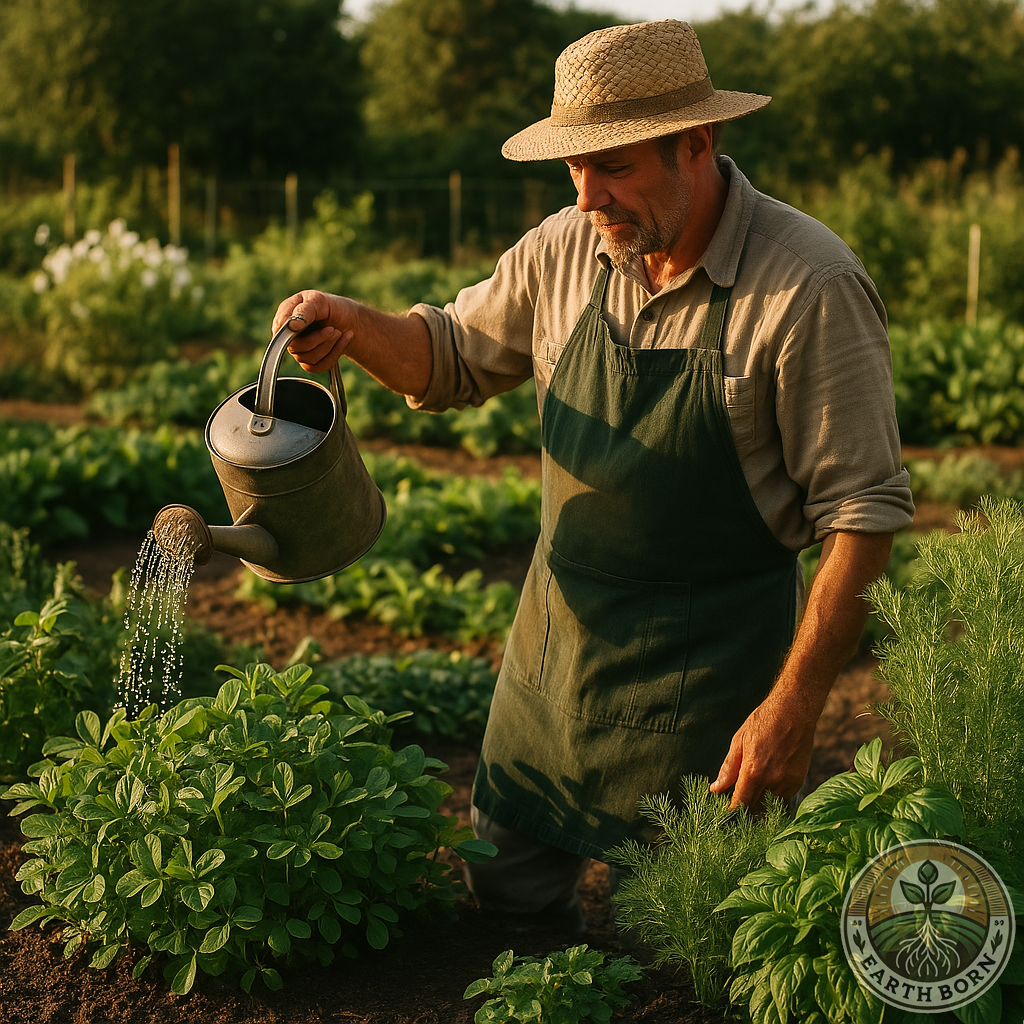
Fenugreek (Trigonella foenum-graecum) is a hardy annual herb from the Fabaceae family, cherished for its culinary, medicinal, and agricultural value. Native to the Mediterranean and Western Asia, fenugreek is now grown globally, including in African regions like South Africa, Egypt, and Morocco. With fragrant yellow-white flowers and small pods filled with aromatic seeds, this herb brings both beauty and utility to any garden.
Whether you’re a seasoned herbalist or a first-time grower, this guide will walk you through everything you need to know about growing fenugreek in South Africa.
💊 Medicinal Benefits of Fenugreek
Fenugreek contains potent bioactive compounds such as saponins, flavonoids, and alkaloids, giving it a long-standing role in traditional medicine. It is used to:
- Improve digestion
- Support blood sugar regulation
- Soothe inflammation
- Boost lactation in nursing mothers
- Aid in appetite stimulation
⚠️ Caution: While generally safe, fenugreek may cause allergic reactions in sensitive individuals or interact with blood-thinning medications. Always consult a healthcare professional before use.
📅 When to Plant Fenugreek in South Africa
In the South African climate, fenugreek seeds are best sown from August to September, just before the warm spring months. This timing ensures optimal germination and healthy growth.
🏡 Where to Plant Fenugreek
Choose a sun-drenched spot in your garden. Fenugreek grows best when directly sown into the ground, though it can also be cultivated in deep pots or containers with adequate drainage.
☀️ Soil, Water & Sunlight Requirements
- Soil: Light, well-draining, and rich in organic compost
- Watering: Keep the soil evenly moist, avoiding overwatering or soggy roots
- Sunlight: Full sun (6–8 hours daily) is essential for robust growth
📏 Spacing, Germination & Harvesting
- Seed spacing: 10–15 cm between plants
- Germination time: 7–10 days
- Transplanting age: 3–4 weeks after germination
- Fertilizing: Every 3–4 weeks using a balanced organic fertilizer
- Harvest window: 90 to 110 days after sowing
- Growth height: Fenugreek typically grows 30–60 cm tall
Both the leaves and seeds are harvestable. Leaves can be used fresh in salads or dried as a seasoning. Seeds are often roasted and ground for use in spice blends.
🌸 Flowering & Fruiting
Fenugreek produces small pale yellow to white flowers, usually appearing 30–40 days after germination. These are followed by slender seed pods containing 10–20 golden-brown seeds each.
🦋 Companion Plants & Common Pests
👯 Best Companion Plants:
- Coriander
- Dill
- Basil
- Lettuce (for shade pairing)
🐛 Watch Out For:
- Aphids
- Whiteflies
- Powdery mildew
Apply neem oil or insecticidal soap early if pests appear. Crop rotation and good airflow help prevent mildew.
🧠 Historical & Cultural Use
Fenugreek has been used since ancient Egypt — it was found in tombs and used in mummification rituals. In Ayurveda and Traditional Chinese Medicine, it’s prized for warming and digestive properties. In the kitchen, it’s a key ingredient in curry powders, pickles, and herbal teas.
🎉 Fun Fact!
Did you know? Fenugreek seeds release a maple syrup-like aroma when cooked or soaked — this same compound is used in artificial maple flavoring!
🪴 Summary & Call to Action
Fenugreek is a resilient, fast-growing herb that brings both medicinal value and culinary charm to your garden. Whether you’re drying the leaves for tea or harvesting the seeds for spice, it’s a truly rewarding addition to any herbal grower’s plot.
✨ Start your fenugreek journey today and share your photos with us!