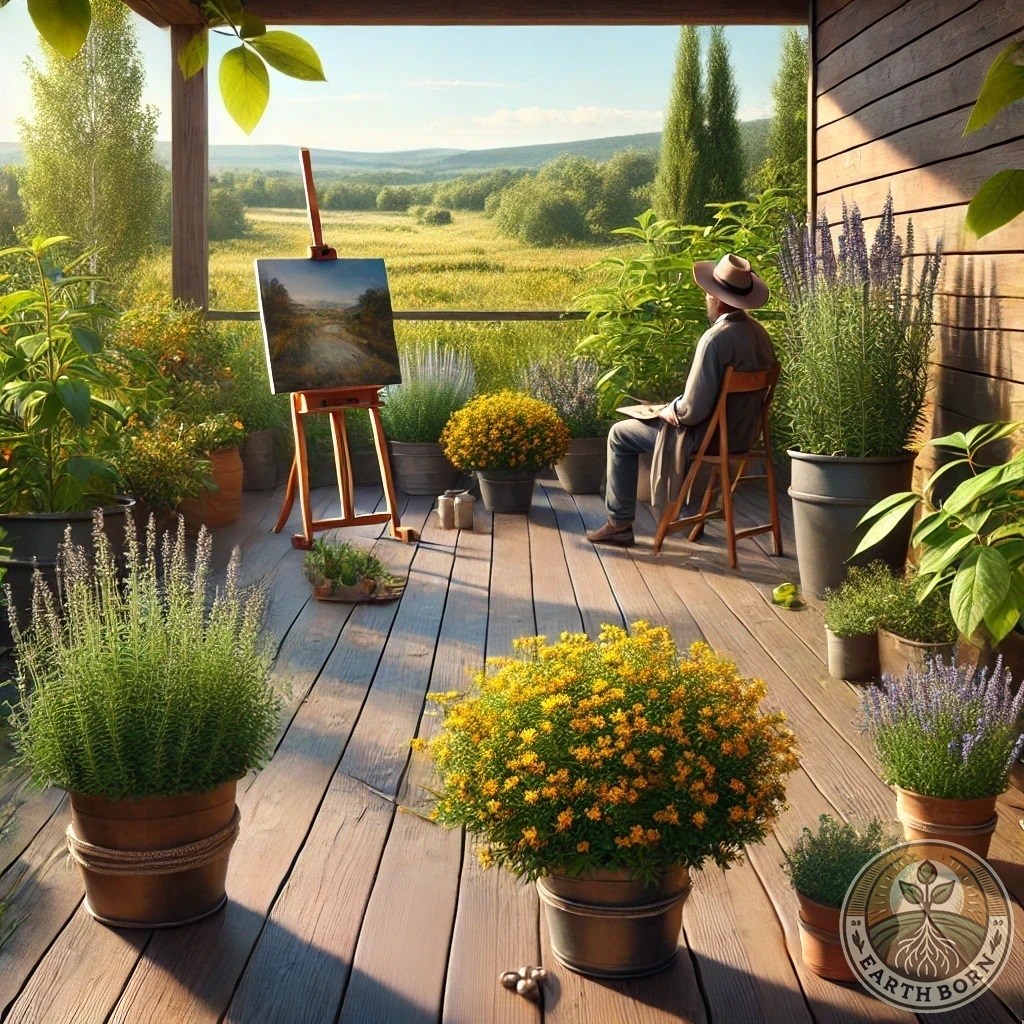
St. John’s Wort (Hypericum perforatum), commonly known as Wort, is a powerful perennial herb with a long history of medicinal use. Native to Europe but widely found in South Africa, this bright yellow-flowered plant has been treasured for centuries for its therapeutic benefits. Whether you’re growing it for its healing properties or simply for its beauty, Wort is an excellent addition to any garden. Let’s explore how to cultivate this incredible herb and unlock its full potential!
💊 Medicinal Benefits
Wort is best known for its mood-enhancing properties, often used as a natural remedy for mild to moderate depression. Its active compounds, Hypericin and Hyperforin, are believed to influence neurotransmitters in the brain, similar to pharmaceutical antidepressants. But that’s not all—Wort also boasts:
✅ Anti-inflammatory effects – Helps with wounds, burns, and muscle pain.
✅ Antiviral & antibacterial properties – Used for skin infections and cold sores.
✅ Pain relief – Often applied topically to ease nerve pain and arthritis.
⚠️ Caution: Wort can cause photosensitivity (increased sensitivity to sunlight) and interacts with various medications, including antidepressants, birth control, and blood thinners. Always consult a healthcare professional before use.
📅 When to Plant Wort in South Africa
In South Africa, Spring (September to November) is the ideal time to plant Wort. Sow seeds directly into the soil or start them indoors and transplant seedlings after 4-6 weeks. Seeds typically germinate within 10-14 days under the right conditions.
🏠 Where to Plant Wort
Wort is adaptable but prefers:
🌱 Outdoor gardens – Best grown directly in the ground for robust root development.
🪴 Pots & containers – Suitable for smaller spaces, but ensure proper drainage.
🌾 Wildflower meadows – Can be left to naturalize in open spaces.
🌿 Harvest Time: Mature plants can be harvested after 60-90 days—typically when they begin flowering in early to mid-summer.
☀️ Soil, Water & Sunlight Requirements
Wort is a hardy plant but thrives best under these conditions:
✔️ Soil: Well-draining, sandy, or loamy soil with a pH between 5.5 and 7.0.
💧 Watering: Moderate; keep soil slightly moist but avoid waterlogging.
☀️ Sunlight: Full sun to partial shade—at least 6 hours of direct sunlight per day for optimal growth.
📏 Spacing & Growth Tips
Proper spacing ensures healthy development and airflow:
🔹 Spacing: 30-45 cm (12-18 inches) apart.
🌱 Fertilizing: Feed monthly with organic compost or a balanced fertilizer for vigorous growth.
✂️ Pruning: Regularly trim dead flowers to encourage continuous blooming.
🦋 Companion Plants & Common Pests
Companion Plants:
Wort thrives when planted alongside:
🌿 Lavender – Enhances aromatic benefits and attracts pollinators.
🌿 Rosemary – Helps repel certain pests.
🌿 Thyme – Supports healthy soil and deters unwanted insects.
Common Pests & Diseases:
🚨 Aphids & spider mites – Can be controlled with neem oil or insecticidal soap.
🚨 Rust & fungal infections – Prevent by ensuring proper air circulation and avoiding overhead watering.
🎉 Fun Fact!
St. John’s Wort gets its name from St. John the Baptist and was traditionally harvested on St. John’s Day (June 24). In folklore, it was believed to ward off evil spirits and bring good fortune!
📣 Summary & Call to Action
With its easy-growing nature and incredible medicinal properties, Wort is a must-have for any herbal garden. Whether used as a tea, tincture, infused oil, or capsule, this powerful herb offers numerous benefits.
🌿 Try growing your own Wort today and experience the magic of this ancient healing plant!
✨ Share your gardening journey with us using #EarthBornGrower!
#HerbalGardening #StJohnsWort #GrowYourOwn #MedicinalPlants #EarthBorn