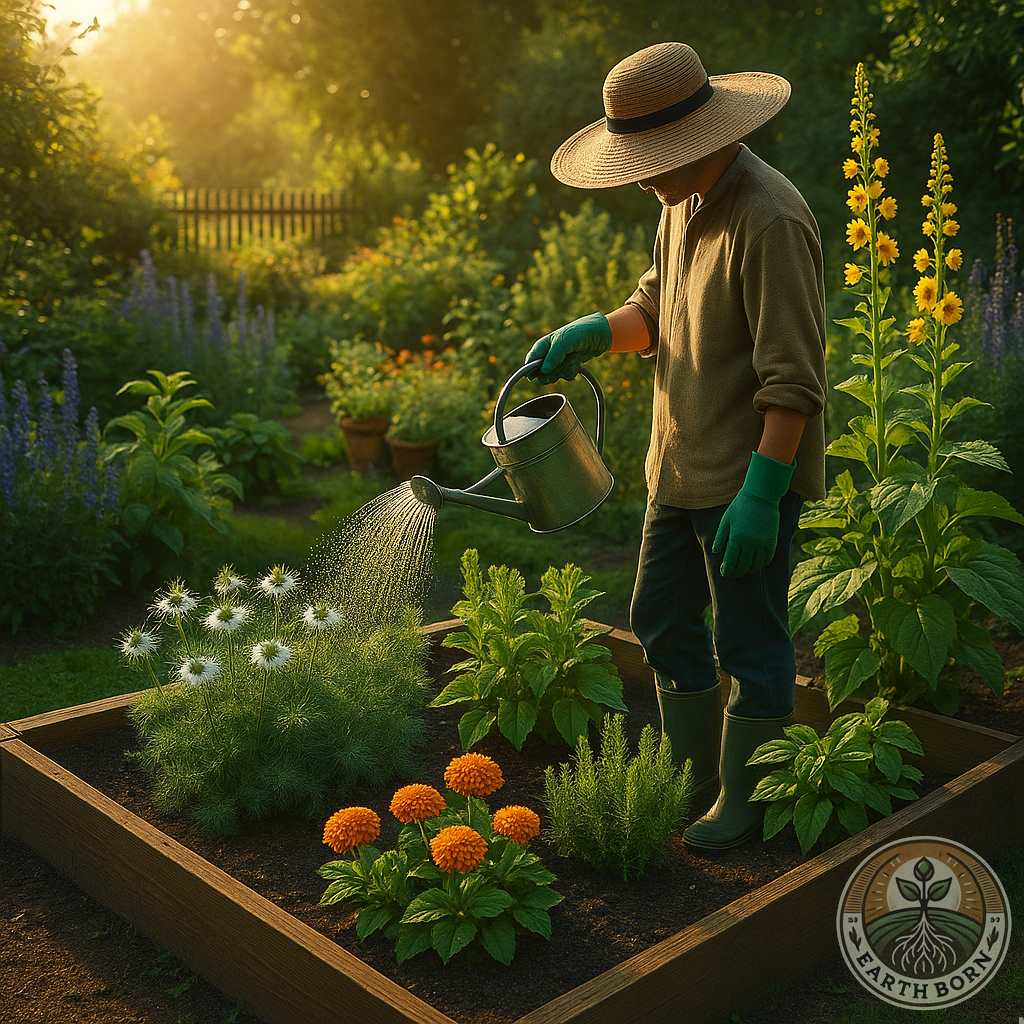
Black cumin, scientifically known as Nigella sativa, is a flowering annual herb in the buttercup family (Ranunculaceae). Originating in the Mediterranean, North Africa, and parts of Asia, its tiny jet-black seeds have been revered for centuries in Unani, Ayurvedic, and Islamic medicine—earning the nickname “the seed of blessing.” This humble herb is both ornamental and highly medicinal, making it a treasured addition to traditional gardens.
💊 Medicinal Benefits
Black cumin seeds are packed with therapeutic compounds like thymoquinone, known for powerful antioxidant, anti-inflammatory, antibacterial, and immune-modulating properties. Traditionally, they’ve been used to treat digestive disorders, respiratory ailments, and skin conditions, and support liver and kidney health. Modern research continues to explore its benefits in managing asthma, arthritis, diabetes, and even cancer.
3 Natural Remedies Using Black Cumin
📅 When to Plant in South Africa
Sow seeds in early spring (August to October) after the last frost. In warmer regions, sow as early as late winter under cover and transplant when soil is warm.
🏡 Where to Plant
Best grown outdoors in beds, borders, or herb gardens where it has room to branch. It can also thrive in large pots with sufficient drainage.
🌞 Soil, Water & Sunlight Requirements
✅ Soil: Prefers light, well-drained sandy or loamy soil with a neutral to slightly alkaline pH. Avoid waterlogged areas.
✅ Sunlight: Full sun (6–8 hours per day) is ideal for strong, healthy flowering.
✅ Water: Moderate and regular. Keep soil moist but not soggy, especially during flowering and seed-setting stages.
✅ Fertilize: Use compost-enriched soil at planting. A monthly liquid seaweed feed can support growth.
✅ Spacing: Space plants 15–20 cm apart to allow airflow and prevent fungal disease.
✅ Seeds Germinate: In 10–14 days at 20–25°C.
✅ Transplanting: Transplant carefully when 4–6 weeks old. Handle roots gently—Nigella dislikes disturbance.
✅ Maturity Height: Reaches 30–50 cm tall, with delicate, fern-like foliage and unique starry flowers.
🍓 Flowers & Fruit
Black cumin bears pale blue to white flowers that resemble small poppies. After flowering, inflated seed capsules form, which contain the aromatic black seeds used medicinally and culinarily.
🌼 Companion Plants
Plant alongside oregano, thyme, chamomile, or marjoram to deter pests and support pollinators. These Mediterranean herbs enjoy similar growing conditions.
🐛 Common Pests
Watch out for aphids, spider mites, and cutworms. Use neem oil or companion planting to control infestations. Ensure good airflow and avoid overwatering to prevent mildew.
🧺 Harvesting
Harvest seed pods once they dry on the plant and begin to turn brown—around 90–100 days after planting. Snip pods and place in a paper bag to finish drying before gently crushing to extract seeds.
🫙 Storage
Store seeds in an airtight glass jar in a cool, dark place. Whole seeds retain potency for 1–2 years. Do not grind until ready to use to preserve volatile oils.
🧪 How to Use as Medicine
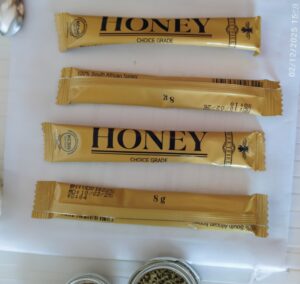
- Immune Tonic: Swallow ½ tsp of raw seeds daily or blend into honey.
- Skin Health: Infuse seeds in oil (like black seed oil) and apply topically for eczema and acne.
- Respiratory Relief: Steep 1 tsp crushed seeds in hot water for 10 minutes. Strain and sip once or twice daily.
🎉 Fun Fact
Black cumin seeds were found in the tomb of Pharaoh Tutankhamun—evidence of their ancient value as both food and medicine.
⚠️ Caution
Black cumin is generally safe in culinary amounts, but medicinal doses may lower blood pressure or interact with diabetes medications. Avoid high doses during pregnancy or breastfeeding. Always consult your health provider before long-term or high-dose use.
📣 Ready to grow your own miracle herb?
Add Nigella sativa to your Earthborn garden this spring and unlock centuries of healing tradition. It’s beautiful, beneficial, and belongs in your herbal toolkit!
#EarthBornGrower #BlackCumin #NigellaSativa #HerbalMedicine #OrganicGardening