🌱 Introduction and history
Greek Oregano (Origanum vulgare subsp. hirtum) is a hardy perennial herb native to the Mediterranean region, prized for its aromatic leaves and culinary versatility. It has been a staple in Mediterranean kitchens and traditional medicine for centuries, often called Wild Marjoram in some circles. This herb brings the warm, sunny flavours of the Mediterranean to South African gardens, thriving in our spring and summer seasons.
Its popularity stems not only from its strong, pungent flavour, perfect for seasoning meats and vegetables, but also because it’s relatively easy to grow in well-draining soil with plenty of sun. For gardeners looking to add a fragrant, useful herb to their garden beds or containers, Greek Oregano is a wonderful choice that connects us to ancient herbal traditions.
💊 Medicinal Benefits
- May support digestion and relieve mild digestive discomfort.
- Traditionally used for its antibacterial properties, possibly helping with minor skin infections.
- May have anti-inflammatory effects when applied topically or consumed as an infusion.
- Used in folk remedies for respiratory support through steam inhalations.
- Traditionally used for soothing minor skin irritations and wounds.
📅 When to Plant in South Africa
Best sowing months | September – November
Best transplanting months | October – December
Western Cape | Coastal mild winters, seed germinates well indoors, transplant seedlings after 4-6 weeks
Eastern Cape | Inland and coastal, watch for frost inland, seed or seedlings both suitable
Northern Cape | Hot, dry climate, ensure good watering, seed preferred due to heat
Free State | Inland frost possible, start indoors, transplant after last frost
KwaZulu-Natal | Humid coastal areas, direct sowing possible, watch for pests
Gauteng | Inland frost risk, start indoors and harden off before transplanting
Mpumalanga | Variable climate, seed or seedlings both work well
Limpopo | Hot and dry, good drainage essential, seed preferred
North West | Semi-arid, seed indoors for better germination
🏡 Where to Plant
Greek Oregano thrives best in garden beds where it can spread out, but it is also perfectly suited to containers. For containers, choose pots at least 20-25 cm deep with good drainage holes to avoid root rot. It enjoys full sun but benefits from some wind protection, especially in exposed areas or during cold snaps. If you live in an area with harsh winds or frost, consider a sheltered microclimate near a wall or in a greenhouse. Greek Oregano is hardy but appreciates a little protection in the colder months.
🌞 Soil, Water & Sunlight Requirements
✅ Soil: Well-draining soil is essential to prevent root rot. A sandy loam or mixed soil with organic matter works well.
✅ Sunlight: Full sun for at least 6 hours a day to encourage strong flavour and healthy growth.
✅ Water: Water regularly but allow the soil to dry out between watering. Overwatering can cause root problems.
✅ Fertilize: Feed monthly during the growing season with a balanced organic fertiliser to support lush growth.
✅ Spacing: Space plants 30-45 cm (12-18 inches) apart to allow airflow and prevent mould.
✅ Seeds germinate: Typically 7-14 days at temperatures of 18-24°C.
✅ Transplanting: Transplant seedlings when they are 4-6 weeks old. Harden off seedlings by gradually exposing them to outdoor conditions over a week before planting out.
✅ Maturity height: Usually grows to 30-50 cm tall.
✅ Varieties of the vegetable and easiest/hardest one to grow: Varieties include Greek Oregano (easiest), Common Oregano (harder due to less drought tolerance), and Mexican Oregano (different culinary use, moderate difficulty).
🍓 Flowers & Fruit
Greek Oregano produces small, purple-pink flowers in late spring to summer. These flowers attract beneficial pollinators like bees. The plant flowers before going to seed, which can cause leaves to become bitter. To prevent premature seeding, regularly harvest leaves and pinch back flower spikes. Providing some afternoon shade during extremely hot days can also help delay bolting and maintain leaf quality.
🌼 Companion Plants
- Basil (both improve flavour and repel pests)
- Thyme (similar soil and water needs)
- Sage (pest deterrent)
- Rosemary (shares sun and soil preferences)
- Marigold (pest control)
- Chives (repels aphids)
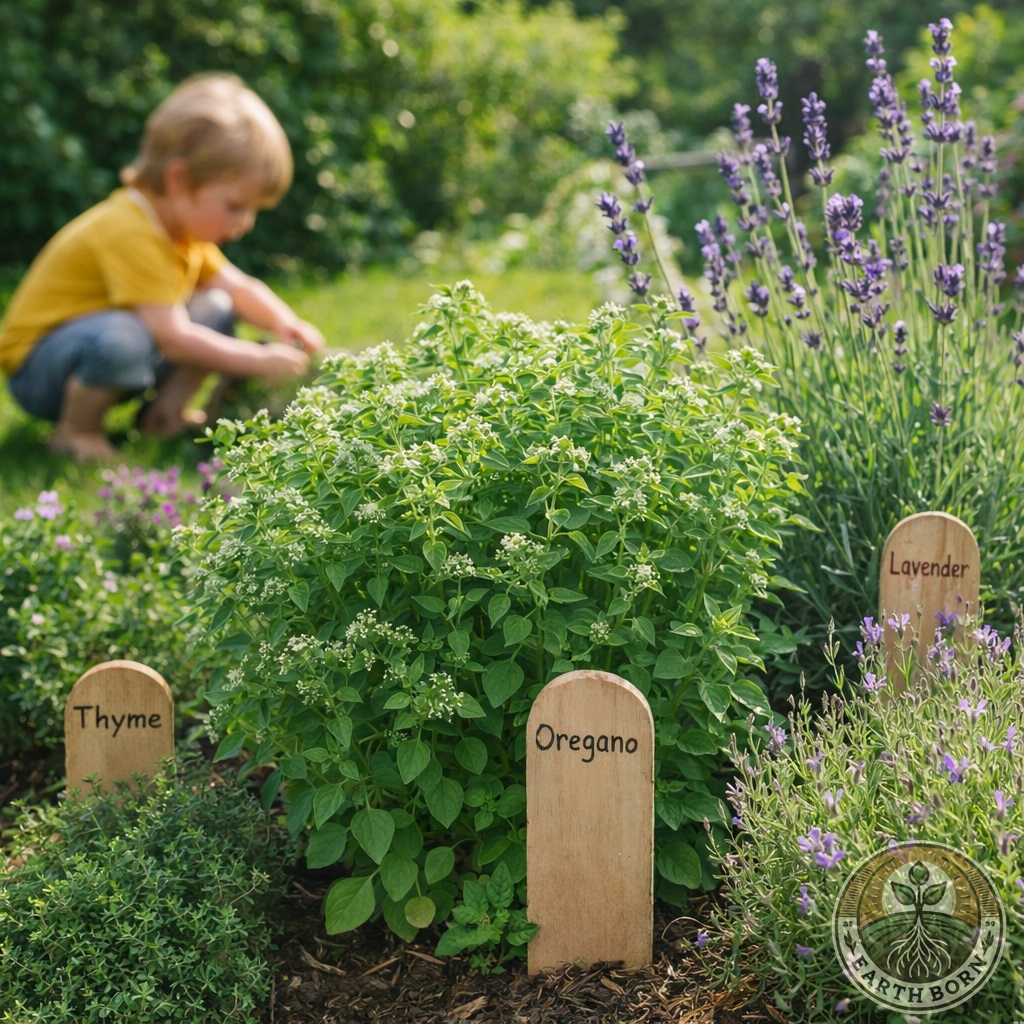
- Lavender (pollinator friendly)
- Avoid planting near: Mint (competes aggressively), Fennel (inhibits growth of many herbs)
🐛 Common Pests
- Aphids: Often found on new growth, remove by spraying with neem oil or insecticidal soap.
- Spider mites: Thrive in dry, dusty conditions; increase humidity and spray with water or neem.
- Prevent pests by encouraging beneficial insects like ladybugs, practicing crop rotation, and maintaining healthy plants.
🧺 Harvesting
Harvest leaves once plants reach about 15 cm in height, usually around 90 days after sowing. Cut leaves in the morning after dew dries for best flavour. Use the “cut-and-come-again” method by snipping the top third of stems to encourage new growth. Regular harvesting prevents flowering and keeps the plant productive.
🫙 Storage
For fresh use, cut stems can be stored in a jar with water on the kitchen counter or wrapped loosely in a damp paper towel and placed in the fridge. To preserve, dry the leaves in a shady, airy spot or use a dehydrator. Frozen oregano in ice cube trays is another good option for longer storage without flavour loss.
🧪 How to Use as Medicine
- Tea/Infusion: Steep 1 teaspoon of dried oregano leaves in a cup of hot water for 5-10 minutes. Drink up to twice daily for digestive support.
- Poultice: Crush fresh leaves and apply directly to minor skin irritations or insect bites.
- Steam Inhalation: Add a handful of fresh oregano leaves to boiling water, cover your head with a towel, and inhale the vapour for respiratory comfort.
- Start with small amounts to check for sensitivity; avoid use during pregnancy or if allergic to Lamiaceae family plants. Always consult a healthcare professional before medicinal use.
💊 Benefits of eating organic verses store bought
- Fresher taste and stronger aroma.
- Lower risk of pesticide residue.
- Supports healthy soil microbial life.
- Encourages biodiversity in your garden.
- Reduces carbon footprint by growing locally.
- Often more nutrient-rich when harvested fresh.
- Supports local growers and sustainable practices.
🎉 Fun Fact
Greek Oregano is often considered the “queen of herbs” in Mediterranean cooking and was historically treasured not only for flavour but also for its symbolic use in weddings and ceremonies.
⚠️ Caution
Greek Oregano may cause allergic reactions in sensitive individuals. It can interact with certain medications and is not recommended during pregnancy or breastfeeding without medical advice. For any medicinal use, consult a qualified health professional.
📣 Call to action
Share your favorite recipe/remedy that uses Greek Oregano 👇