🌱 Introduction and history
Rainbow Spinach (Amaranthus tricolor) is a striking leafy vegetable known for its vibrant, multicoloured leaves that brighten up any garden or salad bowl. Although not indigenous to South Africa, this annual plant originates from parts of Africa such as Nigeria, Kenya, and Tanzania, and has been embraced worldwide for both its ornamental and nutritional value.
Historically, Rainbow Spinach has been valued in many cultures not only as a nutritious green but also for its visual appeal in gardens and markets. Its other name, Joseph’s Coat, hints at the colourful variation of its leaves, resembling the biblical story. It’s popular among South African gardeners for its easy cultivation and versatility in the kitchen — perfect for fresh salads or cooked dishes.
If you’re looking to add a splash of colour to your edible garden while boosting your family’s vitamin intake, Rainbow Spinach is a wonderful choice. Let’s dive into how you can grow and enjoy this beautiful plant.
💊 Medicinal Benefits
- Rich source of Vitamin A, Vitamin C, and Iron which may support immune health and skin vitality.
- May help lower cholesterol levels when included as part of a balanced diet.
- Traditionally used for general nutritional supplementation in various African cultures.
- Contains antioxidants that may support overall wellness.
📅 When to Plant in South Africa
Best sowing months | September – November
Western Cape | Coastal and inland, mild frost risk
Eastern Cape | Coastal areas mild, inland cooler
Northern Cape | Hotter inland, sow seeds directly
Free State | Frost risk in winter, start indoors if needed
KwaZulu-Natal | Warm and humid coastal, partial shade beneficial
Gauteng | Inland, frost risk, start indoors for transplant
Mpumalanga | Warm, some frost risk inland
Limpopo | Hot and dry, ensure good watering |
North West | Warm inland, dry conditions, mulch recommended |
🏡 Where to Plant
Rainbow Spinach thrives best in garden beds with well-drained fertile soil but can also be successfully grown in containers. For containers, use pots at least 25-30 cm deep to allow good root development. This plant enjoys full sun to partial shade, making sheltered spots in your garden ideal to protect from strong winds which can damage the leaves.
Greenhouses or polytunnels can extend the growing season in colder areas and protect young seedlings from frost. Creating a microclimate with some shade during the hottest parts of summer can prevent leaf scorching and premature bolting.
🌞 Soil, Water & Sunlight Requirements
✅ Soil: Prefers well-drained, fertile soil rich in organic matter. Avoid heavy clay soils that retain water.
✅ Sunlight: Full sun to partial shade; in hotter regions, some afternoon shade helps prevent leaf burn.
✅ Water: Keep soil consistently moist but not waterlogged. Regular watering is essential, especially during dry spells.
✅ Fertilize: Apply a balanced fertilizer every 4-6 weeks to support healthy leaf growth.
✅ Spacing: Sow or transplant seedlings 30-45 cm apart to allow good air circulation.
✅ Seeds germinate: Typically 7-14 days at soil temperatures between 18°C and 25°C.
✅ Transplanting: Transplant seedlings at 4-6 weeks old, harden off by gradually exposing them to outdoor conditions over a week.
✅ Maturity height: Usually grows 30-60 cm tall depending on conditions.
✅ Varieties of the vegetable and easiest/hardest one to grow:
- ‘Early Splendour’ – Easiest, fast-growing with vivid colours.
- ‘Tricolor’ – Medium difficulty, classic rainbow leaves.
- ‘Red Giant’ – Harder, requires consistent moisture and cooler temps.
- ‘Golden’ – Medium, paler yellow leaves, slower growth.
🍓 Flowers & Fruit
Rainbow Spinach is primarily grown for its leaves, but it will flower and produce seeds if allowed to bolt. The flowers are small and greenish, typical of amaranths. Bolting often occurs due to heat stress or drought.
To prevent premature bolting, maintain consistent moisture, provide some shade in hotter months, and harvest leaves regularly to encourage new growth. If flowers do appear, pinch them off early to prolong leaf production.
Since it is a leafy vegetable, pollination isn’t a concern unless you want to save seeds for next season.
🌼 Companion Plants
- Tomatoes (mutual pest protection)
- Peppers (similar watering and feeding needs)
- Basil (repels aphids and whiteflies)
- Carrots (different root depths)
- Beans (fix nitrogen improving soil fertility)
- Marigolds (deter nematodes and pests)
- Garlic (natural pest repellent)
- Avoid planting near potatoes (compete for nutrients)
- Avoid planting near fennel (inhibits growth of many plants)
🐛 Common Pests
- Aphids: Spray with neem oil or insecticidal soap, encourage ladybirds.
- Whiteflies: Use yellow sticky traps, neem oil applications.
- Caterpillars: Handpick or use Bacillus thuringiensis (Bt) sprays.
- Prevent infestations by maintaining healthy plants, crop rotation, and removing affected leaves promptly.
🧺 Harvesting
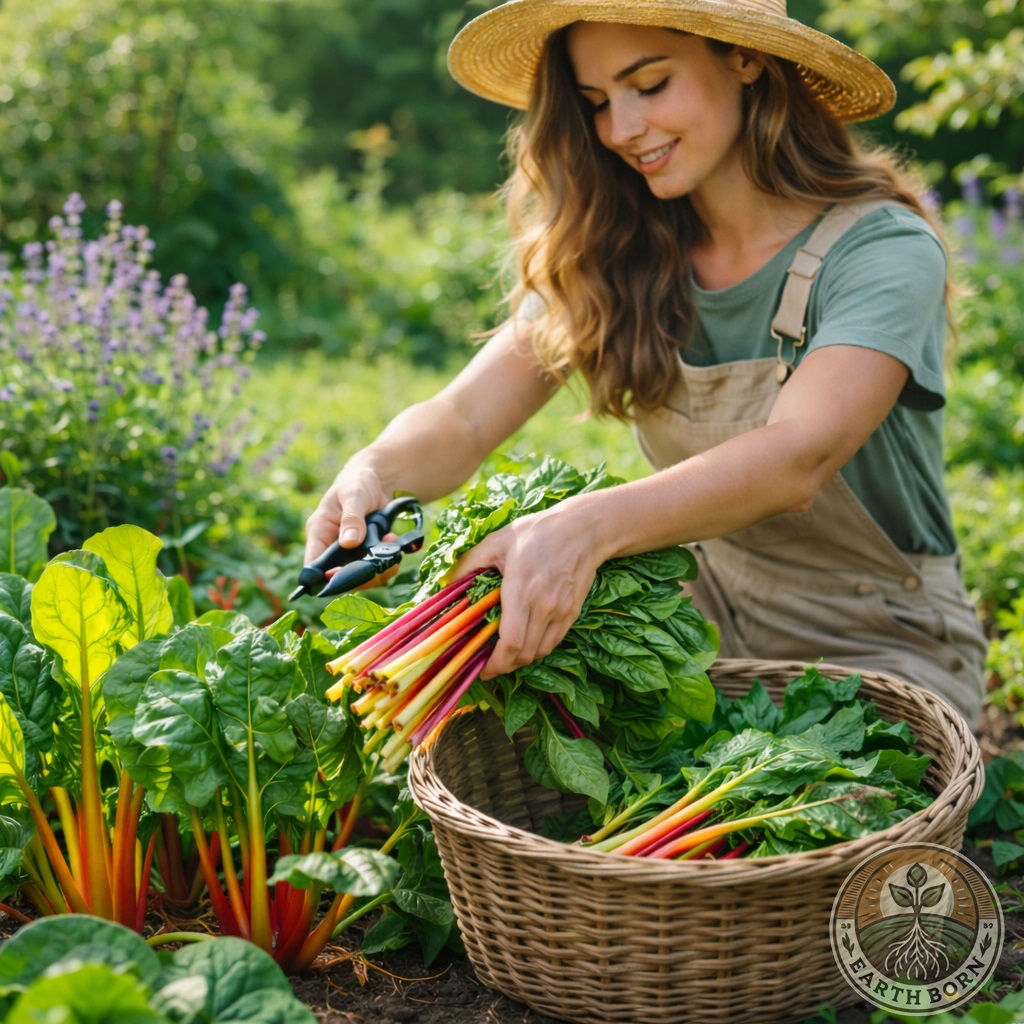
Harvest leaves when they reach 10-15 cm in length, usually 8-10 weeks after sowing. Pick young leaves regularly to encourage the plant to produce more — the “cut-and-come-again” method works well here. The best time to harvest is early morning when leaves are crisp and full of moisture.
🫙 Storage
Fresh leaves keep best when stored in the fridge wrapped loosely in a damp paper towel inside a plastic bag or container. Alternatively, keep stems in a jar of water covered with a plastic bag. For longer storage, blanch leaves briefly and freeze, or dry them for use as a herbal tea.
🧪 How to Use as Medicine
- Tea/infusion: Steep 1 teaspoon of dried leaves in 1 cup boiling water for 10 minutes. Drink up to twice daily.
- Poultice: Crush fresh leaves and apply to minor skin irritations for soothing relief.
- Steam inhalation: Add a handful of fresh leaves to hot water and inhale the steam for respiratory support.
- Start with small amounts to check tolerance. Avoid use during pregnancy or if on blood-thinning medication without consulting a healthcare provider.
💊 Benefits of eating organic verses store bought
- Fresher taste and higher nutrient retention.
- Lower risk of pesticide residues.
- Supports healthy soil microbiology.
- Encourages biodiversity in your garden.
- Reduces carbon footprint by cutting transport.
- Supports local farmers and community.
- Often better leaf quality with fewer preservatives.
🎉 Fun Fact
Rainbow Spinach is also called Joseph’s Coat because its leaves look like a colourful patchwork coat — a beautiful splash of colour in any garden or plate!
⚠️ Caution
No side effects have been reported, but always introduce new herbs carefully. Individuals with allergies to amaranth family plants should avoid use. Pregnant or breastfeeding women and those on medications should consult a qualified health professional before using it medicinally.
📣 Call to action
Share your favorite recipe/remedy that uses Rainbow Spinach 👇