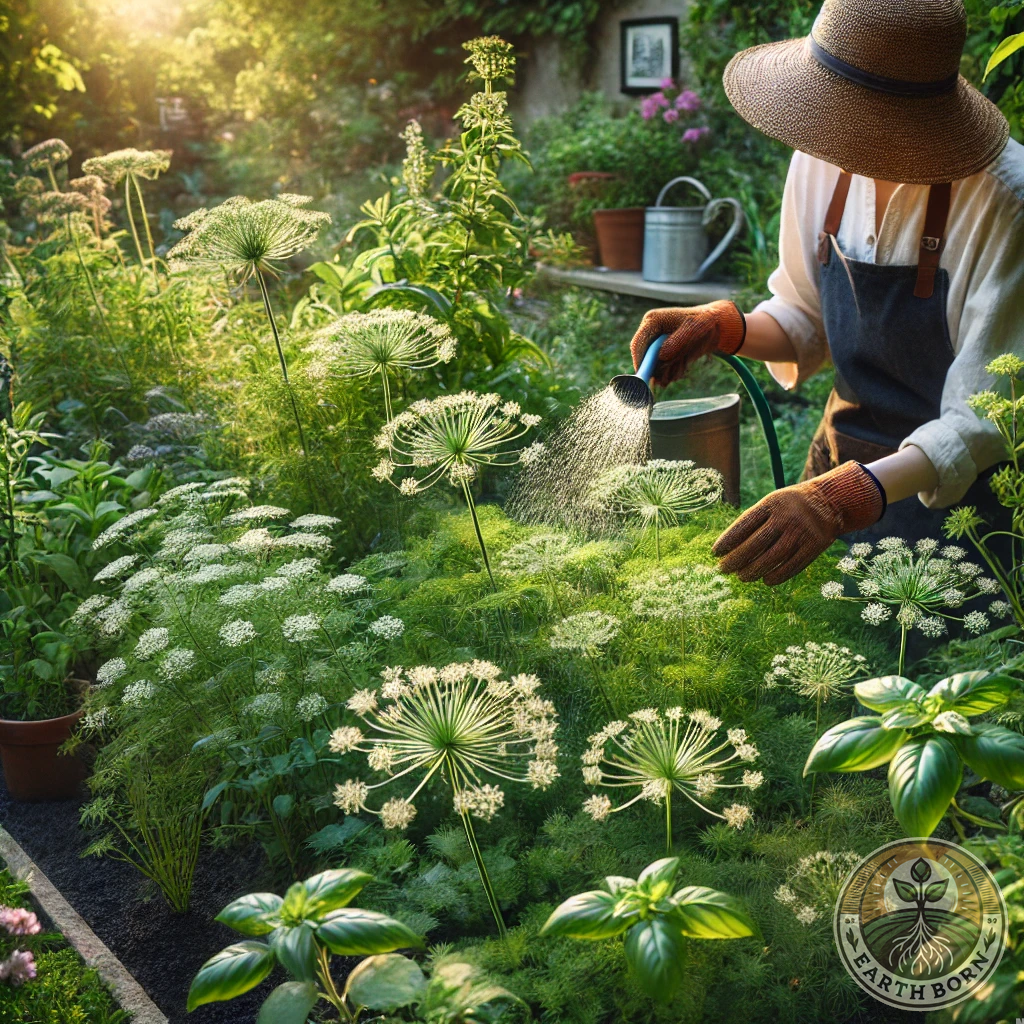
Anise, a fragrant annual herb from the Mediterranean, is beloved for its licorice-like flavor and powerful medicinal properties. Whether you’re looking to enhance your herb garden or reap its digestive and respiratory benefits, this guide will help you cultivate anise successfully in South Africa!
💊 Medicinal Benefits
Anise has been used for centuries to aid digestion, relieve bloating, and soothe coughs. It also acts as a mild expectorant and can help ease colds & bronchitis. The herb’s active compounds, anethole and estragole, are responsible for its potent effects. While generally safe, those with allergies to plants in the Apiaceae family (such as fennel or celery) should consume it with caution.
📅 When to Plant Anise in South Africa
For best results, sow anise seeds in early spring (August to October) when the weather begins to warm up. It thrives in moderate temperatures and should be planted after the last frost.
🏡 Where to Plant Anise
- Anise grows best directly in the ground rather than in containers, as it develops a deep taproot.
- Select a well-draining, fertile soil location with full sun exposure for optimal growth.
☀️ Soil, Water & Sunlight Requirements
✔ Soil: Prefers light, loamy, and well-draining soil with a pH between 6.0 and 7.0.
💧 Water: Keep the soil evenly moist, but avoid waterlogging. Deep watering is preferable over frequent, shallow watering.
🌞 Sunlight: Requires at least 6-8 hours of full sun daily to thrive.
📏 Spacing & Growth Tips
- Spacing: Plant seeds 6-8 inches (15-20 cm) apart in rows that are 18 inches (45 cm) apart.
- Germination: Seeds take 7-14 days to sprout.
- Transplanting: If started in trays, transplant after 4-6 weeks.
- Fertilization: Apply a light organic fertilizer every 4-6 weeks.
- Harvesting: Seeds mature in 90-120 days. Harvest when the seed heads turn brown and dry.
🦋 Companion Plants & Common Pests
✅ Best Companion Plants:
- Coriander: Helps deter pests and enhances anise’s flavor.
- Basil & Chervil: Improve growth and attract beneficial pollinators.
🚨 Common Pests:
- Aphids and spider mites can attack anise. Use neem oil or insecticidal soap to control infestations naturally.
🎉 Fun Fact!
Anise is a key ingredient in famous liqueurs like absinthe, ouzo, and sambuca, giving them their signature licorice-like flavor. It has been cherished for centuries as a flavoring agent in food, beverages, and even ancient medicinal concoctions!
🌱 Why Grow Anise?
Anise is easy to grow, versatile, and packed with health benefits. Whether used in teas, baking, or herbal remedies, this fragrant herb is a fantastic addition to any garden.
💚 Ready to grow your own anise? Start today and enjoy the magic of homegrown herbs!
📢 #EarthBornGrower #AniseHerb #HerbalRemedies #OrganicGardening #HomegrownHerbs