🌿 Basil: The King of Herbs 🌿
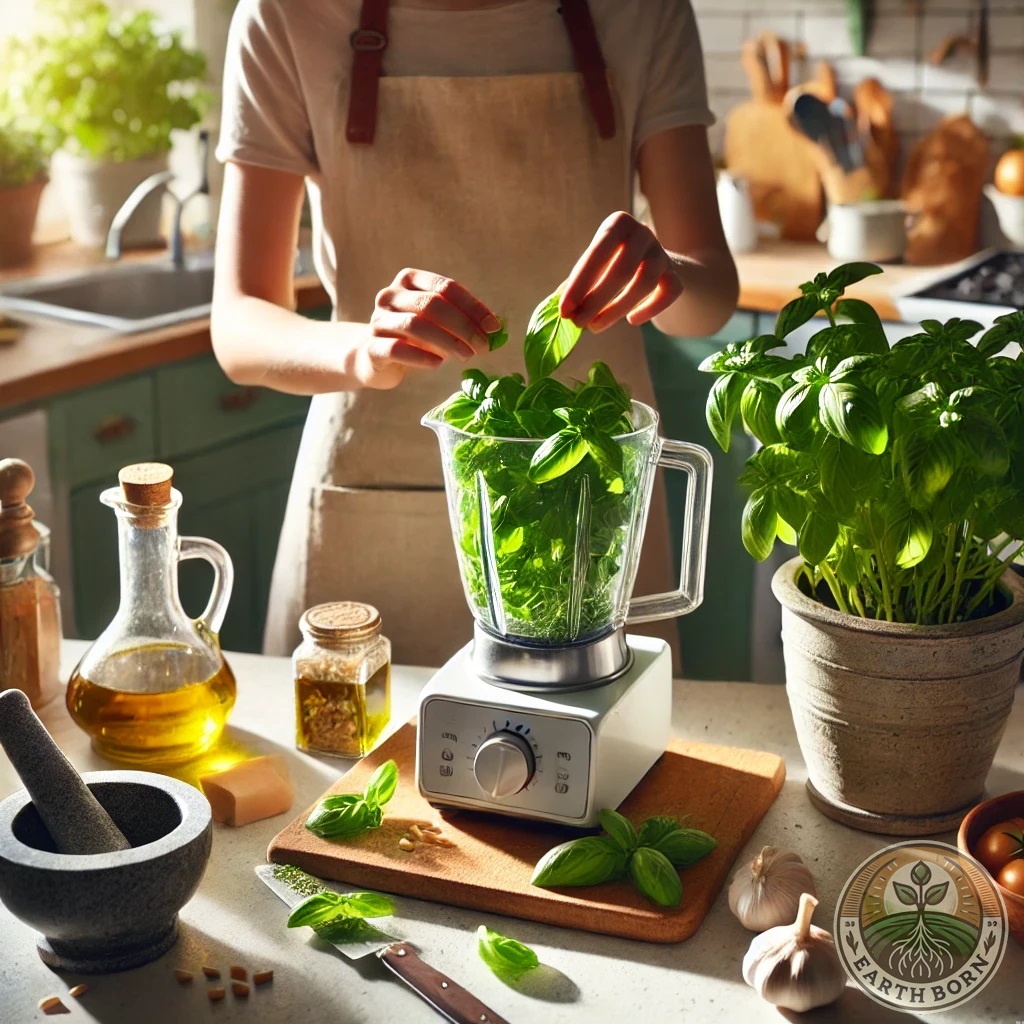
Basil (Ocimum basilicum) is a fragrant, fast-growing herb that is a staple in kitchens and gardens around the world. It is famous for its sweet, slightly peppery flavor, making it a key ingredient in pesto, salads, sauces, and teas. But beyond its delicious taste, basil is also packed with medicinal benefits, making it a valuable addition to any home garden.
🌱 Medicinal Benefits
Basil is more than just a tasty herb—it has been used in traditional medicine for centuries due to its powerful properties:
✅ Aids Digestion – Helps relieve bloating, indigestion, and gas.
✅ Anti-inflammatory – Contains compounds that may reduce pain and swelling.
✅ Boosts Immunity – Has antibacterial and antiviral properties that help the body fight infections.
✅ Supports Heart Health – Helps lower cholesterol and regulate blood pressure.
✅ Reduces Stress & Anxiety – Known to have adaptogenic properties that help balance stress levels.
Drinking basil tea or using fresh basil leaves in meals is a great way to enjoy these benefits!
📅 When to Plant Basil in South Africa
Basil thrives in warm temperatures, so the best time to plant is:
🌼 Spring to summer (August to February) – This is the ideal growing season.
❄️ Avoid frost – If planting in winter, keep it in a pot indoors where it stays warm.
🌞 Can grow year-round in frost-free areas like the coastal regions.
📍 Where to Plant Basil
Basil can be grown in garden beds, raised beds, or containers, making it a versatile plant for any space.
🪴 Containers & Pots – Great for small spaces or keeping near the kitchen for easy access.
🌿 Garden Beds – Plant in well-draining soil in a sunny area.
🏡 Indoors – A sunny windowsill or greenhouse can work in colder months.
🌞 Soil, Water & Sunlight Requirements
For healthy, flavorful basil, follow these simple care tips:
🛑 Soil – Prefers well-draining, nutrient-rich soil with a pH of 6.0 – 7.5. Add compost for extra nutrients.
💧 Water – Keep the soil moist but not waterlogged. Water 2–3 times per week, depending on the heat.
🌞 Sunlight – Needs at least 6–8 hours of direct sunlight daily. Can tolerate partial shade, but too much will make the leaves less flavorful.
📏 Spacing & Growth Tips
Proper spacing helps basil thrive:
✔️ Plant 30 cm apart to allow air circulation and prevent fungal diseases.
✔️ Pinch off flowers when they start forming to encourage leaf growth instead of seed production.
✔️ Harvest regularly – Picking leaves frequently helps promote new growth and keeps your basil bushy.
🌿 Companion Plants & Common Pests
Basil is a great companion plant in the garden and also helps repel pests naturally.
👯♂️ Best Companion Plants:
- 🍅 Tomatoes – Enhances flavor and deters pests like aphids.
- 🫑 Peppers – Helps protect against insects.
- 🥬 Lettuce – Provides shade and prevents bolting.
- 🌿 Oregano & Parsley – Grow well together in pots or herb gardens.
🚫 Pests to Watch Out For:
- Aphids and whiteflies – Can damage leaves. Use neem oil or companion planting.
- Slugs & snails – Can eat young leaves. A sprinkle of crushed eggshells around the plant can help deter them.
🎉 Fun Fact!
Did you know? The name Basil comes from the Greek word basileus, which means “king”! 🌿👑 That’s why basil is often called the “King of Herbs”—and its delicious taste and health benefits prove why!
🌱 Ready to Grow Your Own Basil?
Basil is easy to grow, delicious, and packed with benefits. Whether in your garden, balcony, or kitchen window, this herb will thrive with a little care and attention!
Would you like to add basil to your garden? Let me know if you need seeds, growing tips, or more advice! 🌿🌱✨