Bitter Leaf (Vernonia amygdalina) is a hardy perennial shrub native to tropical Africa, especially common in Nigeria, Ghana, Cameroon, and Uganda. Known for its characteristically bitter taste, it’s an essential culinary and medicinal plant across West and Central Africa. In traditional homes, the leaves are often washed to reduce bitterness and used in soups and stews. It has been grown and passed down for generations as both food and medicine, earning a revered place in ethnobotany.
💊 Medicinal Benefits
Bitter Leaf is a powerhouse of bioactive compounds including vernodalin, vernodalol, and saponins. Traditionally, it has been used to:
- Help manage blood sugar levels (supportive for diabetes)
- Reduce symptoms of malaria and fever
- Aid in digestion and treat gastrointestinal issues
- Support liver detoxification
- Promote lactation in nursing mothers
🩺 Always consult a healthcare provider before using any medicinal plant, especially if pregnant, breastfeeding, or on medication.
📅 When to Plant in South Africa
Plant Bitter Leaf in early to mid-spring (September to October), once the risk of frost has passed. This timing supports vigorous growth throughout the warm season.
🏡 Where to Plant
Choose a sunny spot in the garden or a large container if space is limited. Bitter Leaf does best planted directly in the ground where its roots can spread freely.
🌞 Soil, Water & Sunlight Requirements
✅ Soil: Loose, well-drained soil rich in compost or organic matter. pH range: 5.5–7.0
✅ Sunlight: Full sun to partial shade
✅ Water: Water deeply when the topsoil feels dry. Avoid waterlogging.
✅ Fertilize: Apply an organic fertilizer or compost every 4–6 weeks.
✅ Spacing: Space plants 30–45 cm (12–18 inches) apart to ensure good air circulation.
✅ Seeds germinate: 7–14 days
✅ Transplanting: Transplant seedlings when they are 4–6 weeks old, once they have 4–6 leaves.
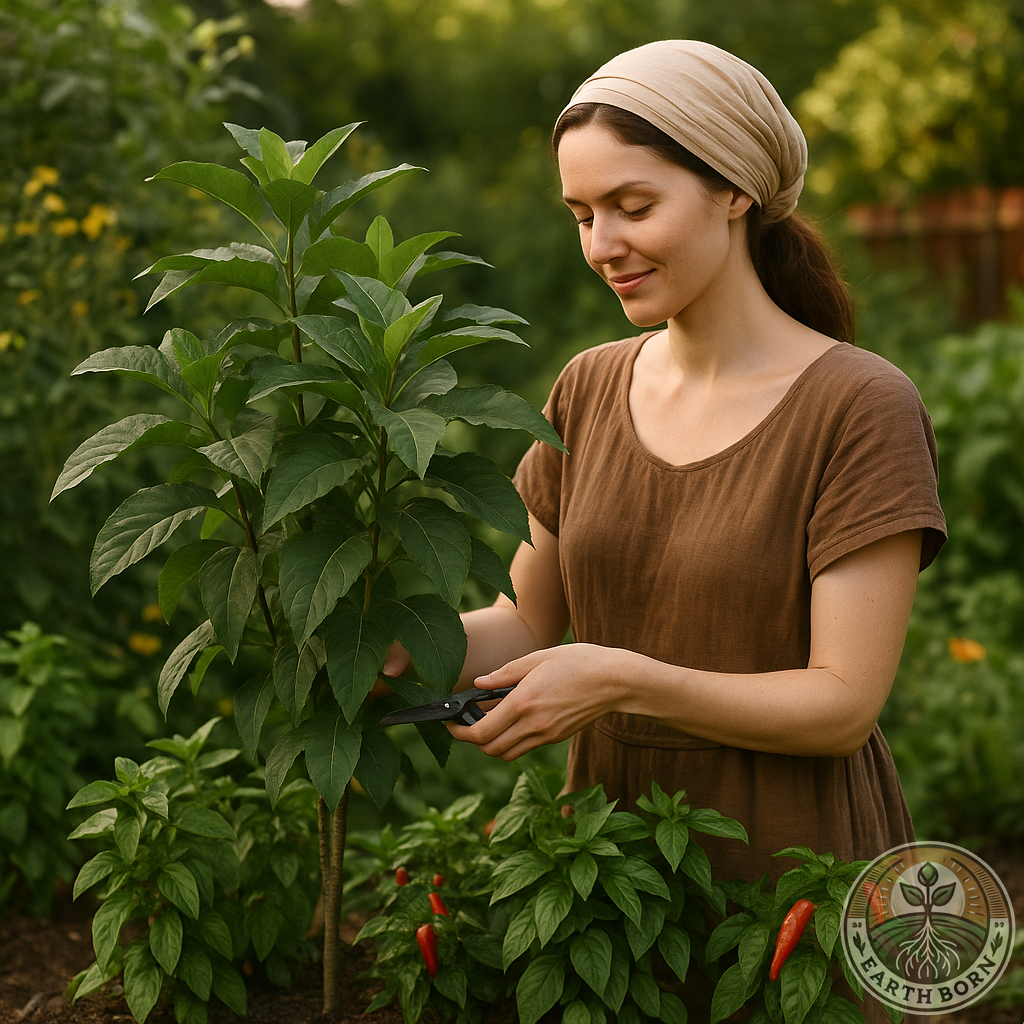
✅ Maturity height: Can grow up to 2–3 meters tall when mature, though it is often pruned for leaf harvest.
🍓 Flowers & Fruit
Bitter Leaf produces small, white to purplish flowers in clusters. While not its main feature, these flowers are attractive to pollinators. It can bear small, seed-like fruits, but is generally propagated by stem cuttings or seeds.
🌼 Companion Plants
Bitter Leaf grows well with:
- Tomatoes: Benefit from shared pest deterrence
- Peppers: Enjoy similar sunlight and watering needs
- Basil: Acts as a natural pest repellent and enhances flavor diversity in the garden
🐛 Common Pests
Watch out for:
- Aphids – remove with neem spray or hose off
- Caterpillars – hand-pick or use organic pesticide
- Spider mites – may occur in dry conditions
🧺 Harvesting
Begin harvesting leaves once the plant reaches around 60–90 days. Young shoots and tender leaves are best for cooking. Continuous pruning encourages bushier growth and more leaf production.
🫙 Storage
Fresh leaves can be stored in the refrigerator for 2–3 days. For longer storage:
- Wash, blanch, and freeze in airtight containers
- Dry in shade and store in glass jars for herbal use
🧪 How to Use as Medicine
- Malaria & Fever Relief Decoction
- Boil a handful of fresh or dried leaves in 1L of water for 10 minutes.
- Drink ½ cup twice a day for up to 5 days.
- (Not for long-term use without medical advice.)
- Digestive Aid Infusion
- Steep 1 tbsp crushed dried leaves in 1 cup hot water for 10 minutes.
- Sip slowly after meals.
- Topical Wash for Skin Conditions
- Simmer 2 tbsp dried leaves in 2 cups water.
- Cool and apply as a rinse for rashes or wounds.
🎉 Fun Fact
Despite its intense bitterness, Bitter Leaf is often affectionately called “the plant that saves lives” in parts of Africa, thanks to its broad healing reputation.
⚠️ Caution
- Not suitable for pregnant women in large amounts
- Can lower blood sugar levels – monitor if diabetic
- May cause nausea if consumed in excess
🌿 Ready to grow a living remedy in your own backyard? Bitter Leaf brings bold flavor, ancient healing, and lush greenery to your garden. Plant it this spring and nurture nature’s own medicine chest.