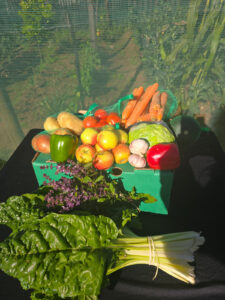
Eating organically isn’t a trend — it’s a return to how food was meant to be grown and enjoyed. Organic food supports better health, healthier soil, cleaner water, and stronger local communities. Whether you grow your own or buy from trusted growers, organic eating is one of the most powerful daily choices you can make for yourself and the planet.
🥕 What Does “Organic” Really Mean?
Organic food is grown without synthetic pesticides, herbicides, chemical fertilisers, or GMOs. Instead, it relies on natural processes such as composting, crop rotation, beneficial insects, and healthy soil biology.
Organic farming works with nature — not against it.
💊 Why Organic Eating Is Better for Our Health
✅ Fewer Harmful Chemicals
Conventional produce is often treated with chemical sprays that can leave residues on food. Organic foods significantly reduce your exposure to:
- Pesticides
- Herbicides
- Synthetic fungicides
This is especially important for children, pregnant women, and people with chronic health conditions.
🧠 More Nutrients
Studies consistently show that organic produce often contains:
- Higher antioxidant levels
- More vitamins and minerals
- Better mineral balance due to healthier soil
Healthy soil = healthy plants = healthier you.
🌿 Supports Gut Health
Organic foods avoid chemicals that can disrupt gut bacteria. A healthy gut is linked to:
- Stronger immunity
- Better digestion
- Improved mental health
🌍 Why Organic Is Better for the Planet
- 🌱 Improves soil fertility and structure
- 🐝 Protects pollinators like bees
- 💧 Reduces water pollution
- 🌳 Encourages biodiversity
Organic farming doesn’t just grow food — it restores ecosystems.
🏡 How to Start Eating Organically (Step by Step)
🥬 1. Start Small
You don’t need to go 100% organic overnight.
Begin with the foods you eat most often:
- Leafy greens
- Herbs
- Tomatoes
- Spinach
- Carrots
These are also some of the easiest to grow at home.
🌿 2. Grow What You Can
Even a small space can make a big difference:
- Pots on a patio or balcony
- Raised beds
- Window herb gardens
Homegrown food is the purest form of organic — no labels required.
🛒 3. Buy Local & Seasonal
Support:
- Local organic farmers
- Community growers
- Small markets
Seasonal produce is fresher, cheaper, and more nutritious.
🌱 4. Learn to Read Labels
Look for:
- “Certified organic”
- “No chemical sprays”
- “Naturally grown”
If possible, talk to the grower — transparency matters.
🧺 5. Wash, Store & Cook Simply
Organic food shines with minimal processing:
- Gentle washing
- Light cooking
- Fresh storage
Let the natural flavour speak for itself.
💊 Organic vs Store-Bought (Conventional)
| Organic Food | Conventional Food |
|---|---|
| No synthetic chemicals | Often sprayed |
| Better soil health | Soil depleted over time |
| Higher antioxidants | Lower nutrient density |
| Supports ecosystems | Can harm wildlife |
| Safer long-term | Chemical exposure risk |
🎉 Fun Fact
Healthy organic soil contains billions of living organisms in a single teaspoon — bacteria, fungi, and microbes all working together to grow nutrient-rich food.
⚠️ A Gentle Reminder
“Organic” doesn’t automatically mean perfect. Organic treats are still treats, and balance always matters. Focus on whole, real foods first.
🌱 Final Thought
Organic eating isn’t about perfection — it’s about intention. Every organic choice you make supports your body, your community, and the earth.
🌿 Call to Action
💬 Share your favourite organic recipe or homegrown veggie in the comments!