Cumin, a beloved spice from the Apiaceae family, has been cultivated for centuries and is prized for its aromatic seeds and medicinal properties. Native to the Eastern Mediterranean, cumin now flourishes in various parts of the world, including South Africa, Egypt, and Morocco. Whether you’re growing it for its warm, earthy flavor or its health benefits, cumin is a fantastic addition to any herb or spice garden!
💊 Medicinal Benefits of Cumin
Cumin is more than just a flavorful spice—it’s packed with health benefits!
✔️ Aids digestion – Stimulates enzymes that help break down food.
✔️ Anti-inflammatory – May help reduce bloating and digestive discomfort.
✔️ Rich in antioxidants – Protects cells from damage and boosts immunity.
✔️ Supports metabolism – Traditionally used for weight management.
✔️ May regulate blood sugar – Some studies suggest cumin helps maintain healthy glucose levels.
Did you know? Cumin has been used in traditional medicine for centuries to treat respiratory conditions, digestive issues, and even insomnia!
📅 When to Plant Cumin in South Africa
🌿 Sow cumin seeds between September and November for the best results. It thrives in warm conditions, so ensure temperatures remain above 15°C.
🏡 Where to Plant Cumin
🔹 Best planted directly in the ground—cumin does not transplant well.
🔹 Choose a warm, sunny location with at least 6-8 hours of direct sunlight daily.
🔹 Ideal for garden beds or large containers with proper drainage.
☀️ Soil, Water & Sunlight Requirements
🌱 Soil: Prefers well-draining, sandy loam soil with a neutral pH (6.8–7.2).
💧 Watering: Keep soil moist but not waterlogged—overwatering can lead to root rot.
☀️ Sunlight: Requires full sun exposure for healthy growth and maximum seed production.
🌟 Pro Tip: Avoid heavy clay soils, as they retain too much moisture, which can stunt growth!
📏 Spacing & Growth Tips
🔸 Seed Spacing: Plant seeds 10-15 cm apart in rows 30 cm apart.
🔸 Germination Time: Seeds sprout within 7-14 days under warm conditions.
🔸 Growth Period: Cumin takes 90-120 days to reach maturity.
🔸 Fertilization: Apply a light organic fertilizer every 4-6 weeks for optimal growth.
🌾 Harvesting Tip: Once the cumin plants turn brown and dry out, cut the stalks and let them dry further before collecting the seeds.
🦋 Companion Plants & Common Pests
🟢 Best Companion Plants:
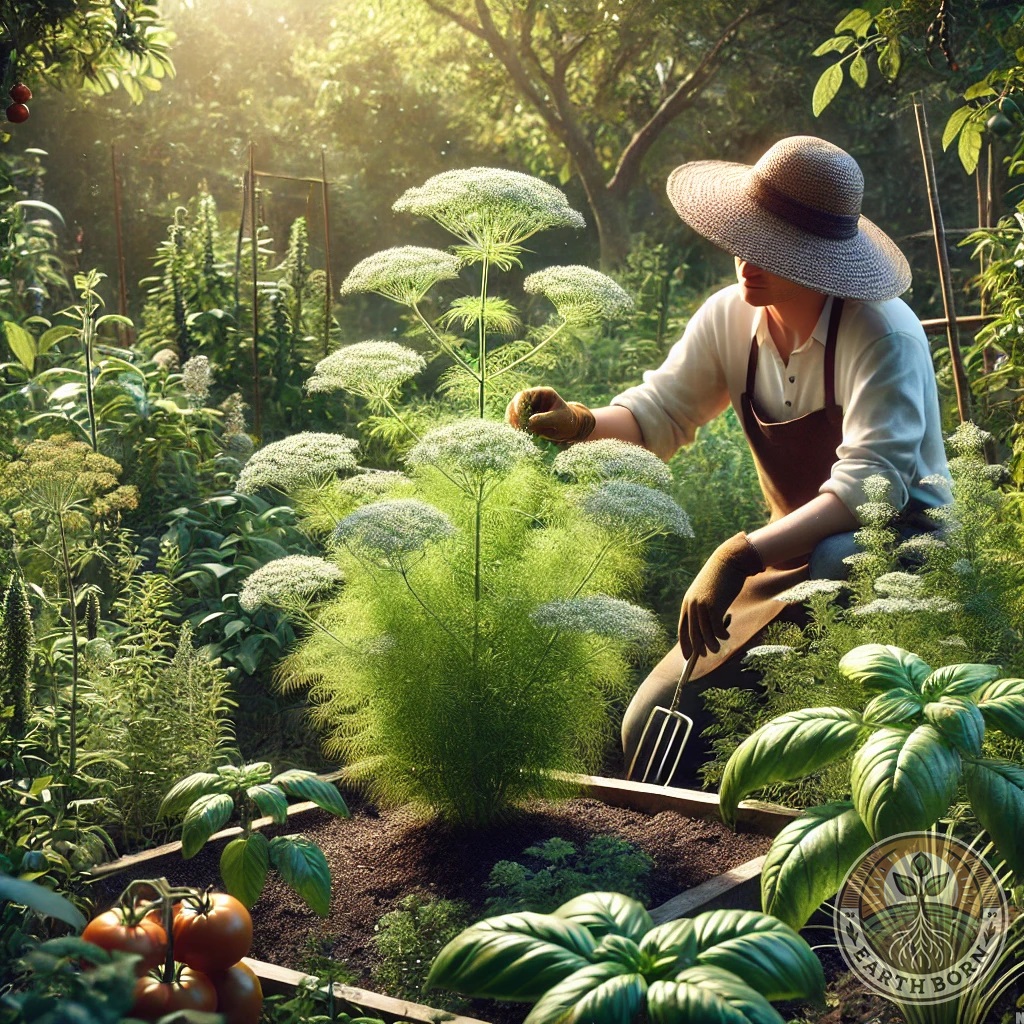
✔️ Tomatoes – Attracts beneficial insects and improves growth.
✔️ Basil – Enhances flavor and helps repel harmful pests.
✔️ Coriander (Cilantro) – Boosts soil health and supports beneficial pollinators.
🐛 Common Pests & How to Control Them:
⚠️ Aphids, spider mites, and whiteflies – Use neem oil or insecticidal soap.
⚠️ Fungal diseases – Ensure good air circulation and avoid overwatering.
🌟 Pro Tip: Intercropping with basil or coriander helps naturally repel pests and enhance cumin’s flavor!
🎉 Fun Fact!
Did you know that cumin was once used as currency in the Middle Ages? This spice was so valuable that it was even offered as a wedding gift in some cultures!
📣 Why Grow Cumin?
Cumin is easy to grow, highly rewarding, and packed with flavor and health benefits. Whether you’re a beginner or an experienced gardener, adding cumin to your spice garden is a fantastic way to grow your own fresh, organic spices.
🌿 Ready to start your cumin-growing journey? Plant your seeds today and enjoy the magic of homegrown spices!
#EarthBornGrower #Cumin #MedicinalPlants #HerbGardening #GrowYourOwnSpices #OrganicLiving