🌱 Introduction and History
Not every garden has full sun — and many South African gardeners find themselves with only pockets of morning light or dappled shade. Fortunately, nature gives us a generous list of herbs, leafy greens, and healing plants that thrive without harsh sunlight. These shade-friendly plants have been used for centuries for food and medicine, growing naturally under forest edges, beneath taller shrubs, and in cooler valleys.
💊 Medicinal Benefits
Many shade-loving plants are herbal powerhouses:
- Lemon Balm – calming, antiviral, stress relief
- Sage – antibacterial, anti-inflammatory
- Oregano & Marjoram – strong antimicrobial herbs
- Wild Garlic – heart health, immune strengthening
- Plantain – wound healing & anti-itch remedy
- Stinging Nettle – rich in iron, supports joints & circulation
- Parsley – detoxifying, vitamin-rich
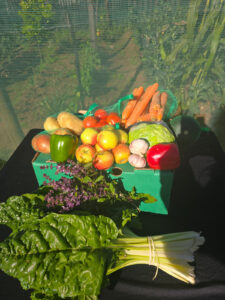
- Kale & Swiss Chard – nutrient-dense superfoods
- Chamomile – soothing, sleep-promoting
📅 When to Plant in South Africa
Most shade-tolerant herbs and greens can be planted all year in frost-free areas, but best results come from:
- Autumn & Spring – leafy greens, herbs, plantain
- Late Winter – chamomile, parsley, kale
- Early Spring – strawberries, nettles, wild garlic
🏡 Where to Plant
Shade-friendly plants thrive in:
- Morning sun + afternoon shade
- Dappled shade beneath trees
- Shaded patios and courtyards
- Between taller plants
- East-facing walls
- Large containers
🌞 Soil, Water & Sunlight Requirements
✅ Soil
Rich, well-draining soil with lots of compost. Shade plants love humus-rich beds.
✅ Sunlight
Most of these need 2–4 hours of soft sun or bright shade.
Avoid harsh midday sun.
✅ Water
- Keep soil consistently moist, not soggy.
- Mulch heavily to retain moisture.
✅ Fertilize
A light monthly feeding with:
- Worm tea
- Compost
- Seaweed tonic
Avoid strong nitrogen fertilizers — shade plants grow soft and become pest-prone.
✅ Spacing
- Leafy greens: 20–30 cm
- Herbs: 25–40 cm
- Strawberries: 30 cm
- Plantain & Nettles: 40 cm
✅ Seeds Germinate
Most germinate best in cooler conditions, 10–20 days on average.
✅ Transplanting
Move seedlings once they have:
- 2–3 true leaves
- Strong stems
- A rootball that holds together
✅ Maturity Height
- Herbs: 20–50 cm
- Greens: 20–40 cm
- Plantain: 30–60 cm
- Nettles: 80–120 cm
- Strawberries: 15–20 cm
🍓 Flowers & Fruit
- Strawberries fruit beautifully in bright shade.
- Chamomile gives small daisy-like flowers.
- Sage, Oregano, Marjoram produce small pollinator-attracting blooms.
🌼 Companion Plants
Perfect companions for shade:
- Swiss chard
- Lettuce
- Nasturtiums
- Parsley
- Strawberries
- Chamomile
- Kale
They all help suppress weeds and keep soil cool.
🐛 Common Pests
Shade areas may attract:
- Slugs & snails
- Aphids
- Whitefly
- Cutworms
Use mulch, crushed eggshells, and neem.
🧺 Harvesting
- Harvest herbs in the morning for best oil content.
- Greens can be cut-and-come-again.
- Pick strawberries as they ripen.
- Nettles: harvest top 10 cm with gloves.
🫙 Storage
- Herbs: air-dry or refrigerate
- Greens: keep in breathable bags
- Strawberries: refrigerate 2–3 days
- Nettles: dry for tea
🧪 How to Use as Medicine
- Lemon Balm tea for stress & sleep
- Nettle tea for joints, circulation, iron
- Oregano steam inhalation for colds
- Plantain poultice for bites & stings
- Chamomile tea for digestion & calm
🎉 Fun Fact
Many of the world’s most powerful medicinal herbs grow naturally in woodland shade — proving you don’t need a sunny garden to grow a healing apothecary.
⚠️ Caution
- Nettles sting when fresh — handle with gloves.
- Some herbs (sage, oregano) can be strong; use in moderation during pregnancy.
🌿 Call to Action
Have a shady corner in your garden?
Transform it into a medicinal shade sanctuary!
Share photos of your shaded beds and tag @earthborn.africa — let’s grow together. #EarthBornGrower🌱✨