The Common Myrtle (Myrtus communis) is a fragrant, evergreen shrub with a deep-rooted history in both culinary and medicinal traditions. Native to the Mediterranean, this hardy plant also thrives in South Africa when given the right care. Whether you’re growing it for its health benefits, aromatic leaves, or ornamental beauty, this guide will help you successfully cultivate your own Myrtle bush!
🌱 Medicinal Benefits of Common Myrtle
This powerhouse plant contains key compounds like Myrtenol, Myrtenyl acetate, and Myrtenal, which contribute to its healing properties:
✅ Antioxidant – Helps combat free radicals.
✅ Anti-inflammatory – Supports overall wellness.
✅ Digestive Aid – Soothes stomach discomfort.
✅ Respiratory Support – Helps with congestion and respiratory health.
⚠️ Caution: While generally safe, some individuals may experience allergic reactions. Always consult a healthcare professional before using Myrtle for medicinal purposes.
📅 When to Plant Common Myrtle in South Africa
The best time to plant Common Myrtle in South Africa is spring, when the temperatures are warm, encouraging healthy growth. If growing from seed, germination takes about 2-3 months, so be patient!
🏡 Where to Plant Common Myrtle
Myrtle thrives best when planted directly in the ground. Seedlings should be transplanted at 6-12 months old, ensuring they are strong enough to establish themselves.
☀️ Soil, Water & Sunlight Requirements
🌿 Soil – Prefers well-draining soil with a slightly acidic pH.
💧 Water – Regular watering is needed, but allow the soil to dry out slightly between watering to prevent root rot.
☀️ Sunlight – Requires full sun to partial shade for optimal growth and flower production.
📏 Spacing & Growth Tips
🌱 Spacing – Plant 2-3 feet apart to allow proper air circulation and growth.
🌿 Size – The Common Myrtle (Myrtus communis) can grow up to 3-5 meters (10-16 feet) tall, forming a dense, bushy shrub or small tree.
💡 Fertilizing – Feed every 4-6 weeks during the growing season for lush foliage.
⏳ Harvesting – Leaves and berries can be harvested after 2-3 years for use in teas, extracts, or essential oils.
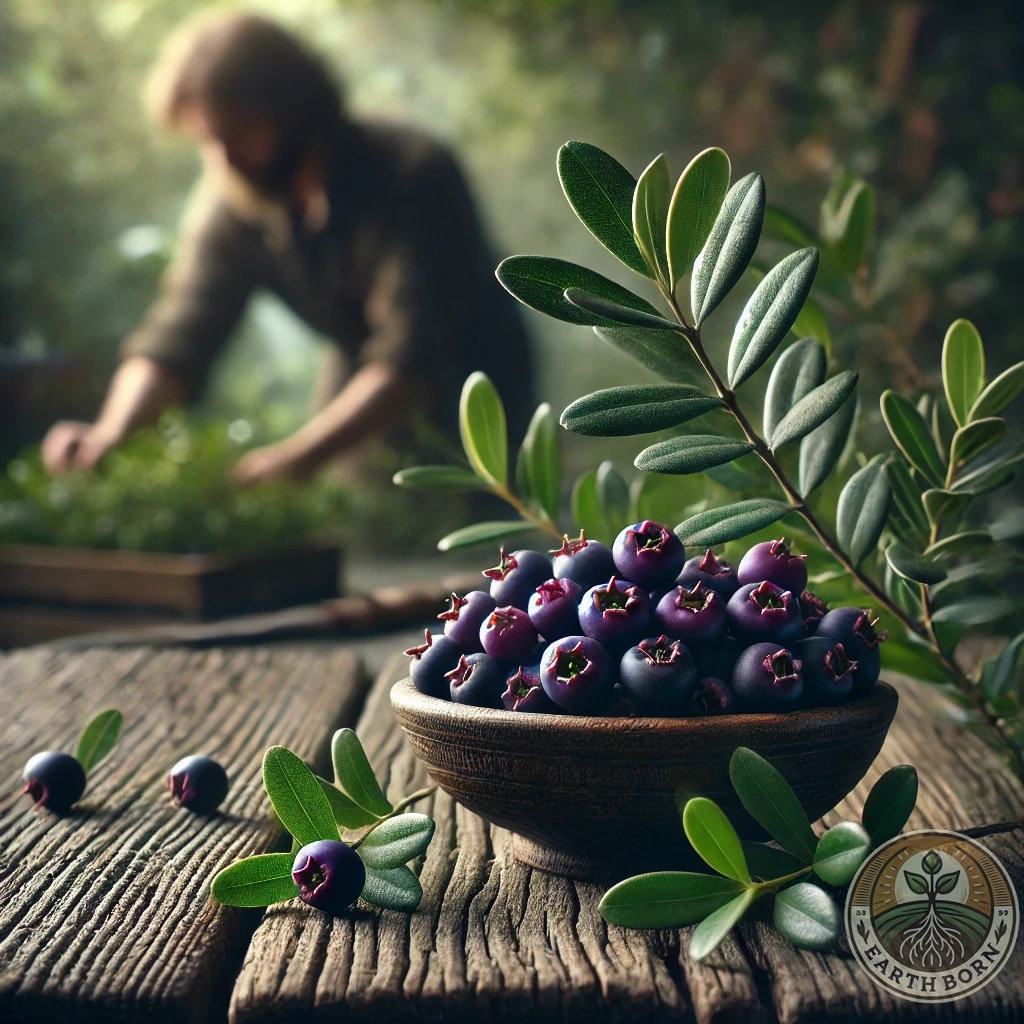
🌸 Flowers & Fruit – During late spring to summer, Myrtle produces fragrant, white or pale pink flowers with numerous delicate stamens, giving them a fluffy appearance. These are followed by small, dark blue to black berries, which are edible and have been used in traditional cooking and medicine.
🦋 Companion Plants & Common Pests
While companion plants for Myrtle are not widely documented, it’s important to watch out for:
🚨 Common Pests: Aphids, spider mites, and scale insects can affect plant health. Use organic pest control methods or neem oil to manage infestations.
🎉 Fun Fact!
Myrtle has been cherished for centuries in Mediterranean cuisine and traditional medicine, symbolizing love, peace, and prosperity.
The Common Myrtle (Myrtus communis) is a popular choice among bonsai enthusiasts due to its evergreen nature, aromatic foliage, and attractive white flowers. Its small leaves and fine branching make it particularly suitable for bonsai styling. When cultivating myrtle as a bonsai, it’s essential to provide ample sunlight and maintain consistent moisture levels, as the plant does not tolerate drying out. Regular pruning encourages dense growth and enhances the tree’s aesthetic appeal. Additionally, the dwarf variety (Myrtus communis ‘Compacta’) is favored for bonsai and hedges due to its compact growth habit.
🌿 Final Thoughts – Start Growing Today!
The Common Myrtle is a stunning, versatile, and beneficial plant that rewards growers with fragrant leaves, beautiful white flowers, and medicinal properties. With the right care, you can enjoy years of herbal magic from your own garden!
🌿 Will you be growing Myrtle this season? Let us know in the comments!
🔖 Save & Share if you found this helpful!
#EarthBornGrower #MyrtleMagic #HerbalHealing #GardeningTips #SouthAfricanFlora